High-Impact Scaffold Wrap Solutions in Central London
Printed building wraps are one of the most effective ways to transform a construction site into a visually impressive and professionally presented space. Whether used for decorative screening, branding, or advertising, these large-format installations conceal scaffolding while maintaining the aesthetic integrity of the surrounding area.
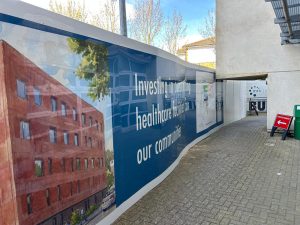
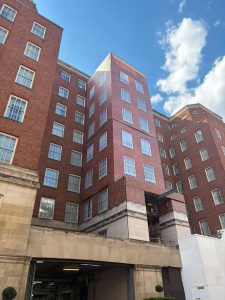
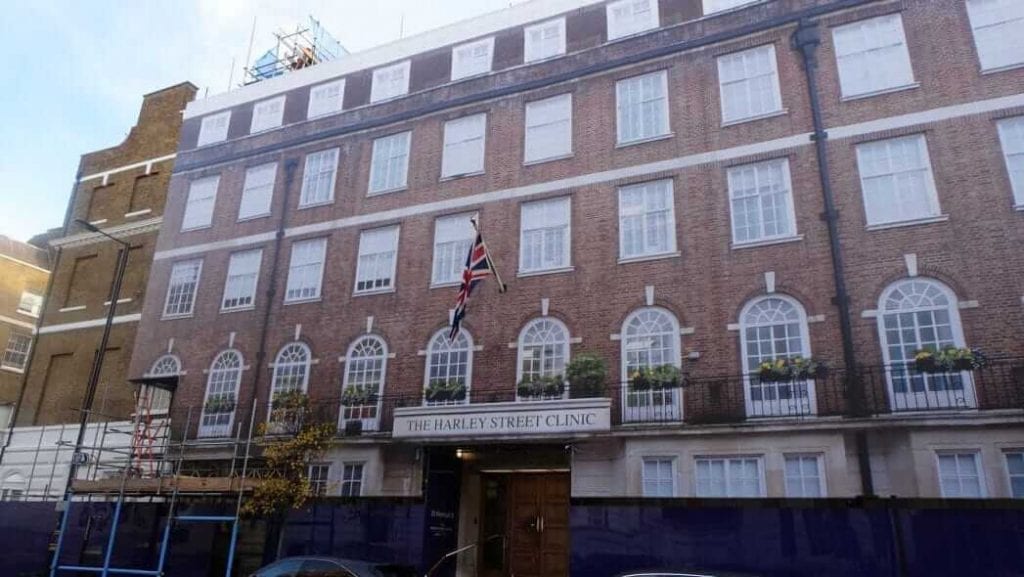
A recent project for The Harley Street Clinic on Weymouth Street in Marylebone, London, is a perfect example of how carefully designed and engineered printed building wraps can enhance a sensitive, high-profile location.
Digitally printed in high resolution onto mesh PVC banner material, this particular scaffold wrap measured an impressive 14 metres high by 40 metres long — a significant structure requiring both technical expertise and careful planning.
Why Printed Building Wraps Matter in Prestigious Locations
Harley Street and the surrounding Marylebone area are synonymous with medical excellence and premium property. In locations where reputation, discretion, and visual standards are paramount, exposed scaffolding can detract from the overall streetscape.
Printed building wraps offer several advantages:
- Conceal unsightly scaffolding
- Maintain architectural character
- Protect brand reputation
- Reduce visual disruption
- Create advertising opportunities (where permitted)
For The Harley Street Clinic, maintaining a refined and professional appearance throughout refurbishment works was essential.
A Complete Solution from Design to Installation
At Project Print Management, we provide a comprehensive service for printed building wraps — from initial photography and creative design to digital production and final installation.
For this Marylebone project, the entire process was completed within three weeks.
The scope included:
- Site photography
- Visual design development
- High-resolution digital printing
- Coordination with the scaffold contractor
- Installation of the finished wrap
This end-to-end service ensures consistency, efficiency, and technical accuracy throughout the project lifecycle.
High-Resolution Mesh PVC Printed building wraps
The wrap was produced on durable mesh PVC banner material. Mesh is commonly used for printed building wraps because it offers:
- Reduced wind resistance
- Lightweight performance
- Excellent print clarity
- Long-term outdoor durability
At 14 metres high and 40 metres long, the scale of this installation required precise artwork scaling and colour management to ensure clarity at viewing distance.
The high-resolution digital print ensured sharp detail, even across the full façade width.
The Importance of the Scaffold Sub-Frame
One of the most critical aspects of any printed building wrap installation is the scaffold sub-frame.
The sub-frame performs several essential functions:
- Keeps the wrap tensioned
- Positions the wrap proud of projecting scaffold tubes
- Distributes load safely
- Prevents movement damage
A minimum 400mm gap is required between the furthest projecting scaffold tube and the rear of the wrap. This spacing allows the banner to flex in high winds without making contact with sharp tube ends.
If this gap is insufficient, the consequences can be severe. During strong winds, the wrap may be pushed back against the scaffolding, causing the tube ends to puncture the material — effectively “peppering” the banner with holes.
Proper sub-frame design prevents this issue entirely.
Flexible Framing for Complex Structures
Contrary to common belief, scaffold sub-frames do not need to be perfectly rectangular.
At The Harley Street Clinic, the wrap installation had to accommodate:
- The main entrance
- Architectural variations
- Two separate building structures
Project Print Management worked closely with the scaffold contractor to ensure the sub-frame aligned with the building’s shape.
This flexibility allows printed building wraps to be installed across irregular façades, heritage buildings, and complex architectural forms.
Growing Demand for Advertising Wraps
While decorative screening is a common use for printed building wraps, many enquiries we receive come from brands looking to leverage scaffold wraps as advertising media.
Large-scale wraps offer:
- High visibility
- Premium street presence
- Strong brand impact
- Temporary marketing dominance
In central London locations, these installations can deliver exceptional exposure. However, advertising wraps introduce additional considerations — particularly planning consent.
Planning Consent and UK Advertising Regulations for Printed building wraps
Outdoor advertising regulations in the UK are strict.
Any advertising element positioned above 4.6 metres typically requires planning consent from the local planning authority. In conservation areas — which cover much of London — this height reduces to 3.6 metres.
The default stance from many councils is cautious or restrictive, particularly in heritage or conservation zones.
Securing approval often requires:
- Detailed visual proposals
- Justification of community benefit
- Sensitivity to local context
- Compliance with advertising regulations
Failure to consider planning at the outset can result in costly redesigns or delays.
Wind Load Calculations – A Critical Step
Wind loading is one of the most important technical considerations in printed building wrap installations.
The scaffold contractor will usually calculate wind load during scaffold design. However, building wraps are sometimes considered after the scaffolding has already been erected.
This can create complications.
If additional bracing or structural reinforcement is required after installation, costs can escalate significantly.
To avoid this, wind load calculations should be confirmed at the earliest stage possible. Collaboration between the wrap provider and scaffold contractor ensures:
- Structural adequacy
- Safety compliance
- Cost efficiency
The Hidden Cost of Sub-Frames
Many clients are surprised to learn that the sub-frame required to support printed building wraps can sometimes cost more than the print and installation itself.
Sub-frame costs depend on:
- Building height
- Scaffold configuration
- Wind exposure
- Access restrictions
- Project duration
Project Print Management can either:
- Work alongside the scaffold contractor to integrate the correct framing; or
- Supply, hire, or sell dedicated sub-frame systems
Transparent budgeting from the outset avoids unexpected expenses later in the project.
Removal and Disposal Considerations
Another frequently overlooked cost is removal and disposal at the end of the project.
Printed building wraps are temporary structures. Once construction is complete, the wrap must be:
- Safely dismantled
- Removed from site
- Disposed of responsibly
Factoring this into the initial budget ensures there are no surprises at project completion.
Sustainability is also increasingly important. Where possible, recyclable materials and responsible disposal methods should be considered.
Decorative vs Advertising Applications
Printed building wraps generally fall into two categories:
1. Decorative Screening
- Replicates building façade
- Maintains streetscape appearance
- Conceals scaffolding discreetly
2. Advertising Wraps
- Promotes brands or developments
- Generates marketing exposure
- Requires planning approval
The Harley Street Clinic project was primarily decorative, designed to protect the visual integrity of a prestigious medical building.
Engineering, Safety and Expertise
Large-format printed building wraps require careful coordination between:
- Designers
- Print specialists
- Engineers
- Scaffold contractors
- Installation crews
At Project Print Management, we manage every stage to ensure safety and performance.
From ensuring correct spacing between scaffold tubes and wrap material to tensioning systems that prevent movement damage, every detail matters.
Printed building wraps delivering in Three Weeks
Despite the scale and complexity of the project, the entire process — from photography to installation — was completed within three weeks.
This included:
- Design sign-off
- High-resolution digital production
- Coordination with scaffolding teams
- On-site installation
Efficient project management ensured minimal disruption to clinic operations and surrounding businesses.
Why Choose Project Print Management for your Printed building wraps?
Project Print Management specialises in high-quality printed building wraps across London and the UK.
Our expertise includes:
- Design and visualisation
- Planning guidance
- Wind load coordination
- Sub-frame consultation
- Large-format digital printing
- Professional installation
- End-of-project removal
We ensure that every printed building wrap is:
- Structurally sound
- Visually impressive
- Fully compliant
- Cost-effective
- Professionally delivered
Printed building wraps are far more than decorative coverings. They are engineered structures that must balance aesthetics, safety, planning regulations, and environmental factors.
The Harley Street Clinic installation demonstrates how thoughtful design, proper sub-frame engineering, and high-resolution digital printing can transform a construction site into a seamless, professional façade.
Whether used for discreet screening in conservation areas or as high-impact advertising media, printed building wraps require careful planning and experienced execution.
If you are considering a building wrap for your development, Project Print Management can guide you through every stage — ensuring your project is delivered safely, efficiently, and to the highest possible standard.
For more information please contact us. For other examples of our Printed Scaffolding wraps please visit out building wrap page.
For more information on the planning of outdoor advertising please visit the Planning Portal.