Vinyl wrapping is one of the most versatile and effective ways to transform almost any surface. From vehicles and furniture to retail interiors and entire buildings, vinyl wrapping allows businesses and individuals to refresh, brand or completely reinvent an object without replacing it.
At Project Print Management, we have been involved in wrapping projects for over 25 years. During that time, we’ve wrapped everything from commercial fleets and white goods to large-scale building façades and bespoke artistic installations. The technology, materials and finishes have evolved dramatically, giving designers and businesses more creative freedom than ever before.
Whether using digitally printed graphics or self-coloured architectural films, vinyl wrapping provides a cost-effective and visually striking solution for surface transformation.
What Is Vinyl Wrapping?
Vinyl wrapping involves applying a self-adhesive film to a surface in order to change its appearance. The film may be:
-
Digitally printed with bespoke graphics
-
A solid self-coloured material
-
A textured or speciality finish
The range of finishes now available is extensive. Options include:
-
Carbon fibre textures
-
Mirror-effect vinyl
-
Brushed metal finishes
-
Pearlescent films
-
Multi-colour change (chameleon) vinyl
-
Wood grain and stone effects
This flexibility means vinyl wrapping can suit commercial branding projects as well as creative interior transformations.
Self-Adhesive Vinyl Wrapping: The Classic Approach
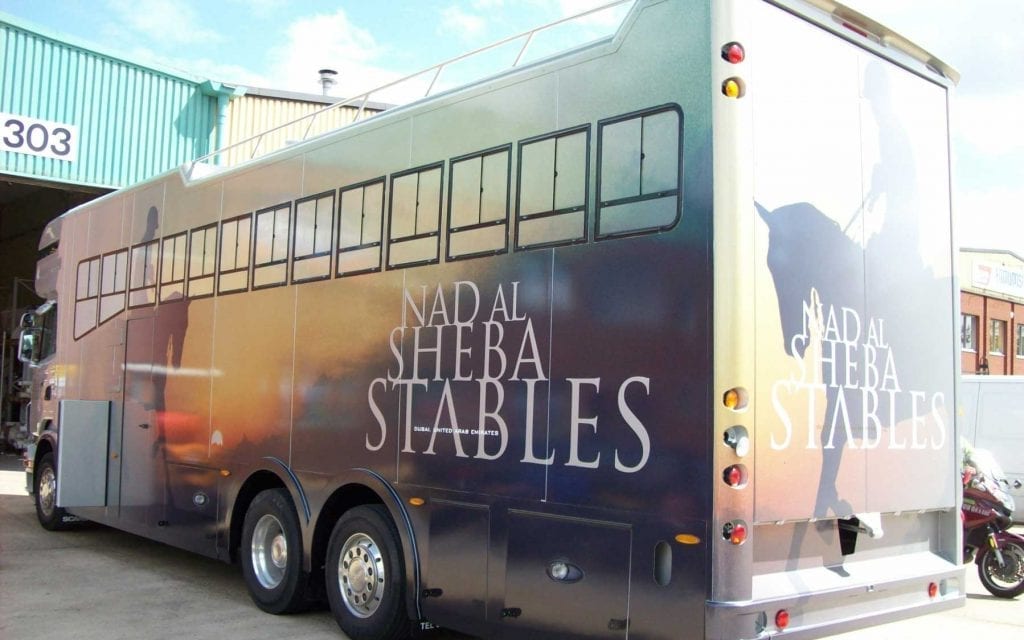
When most people think of vinyl wrapping, they associate it with vehicle graphics. While vehicle wrapping remains a core application, the same principles apply to many other smooth-surfaced objects.
Typical Applications
Self-adhesive vinyl can be used to wrap:
-
Cars and vans
-
Boats and marine vessels
-
Office furniture
-
Retail counters
-
Kitchen units and white goods
-
Storage doors and panels
-
Exhibition displays
The key requirement is a smooth and structurally sound surface. Vinyl adheres best to clean, stable materials. If the original surface is flaking, damaged or poorly bonded, the vinyl may not adhere correctly — and in some cases, removal could lift unstable paint or finishes.
Proper surface preparation is essential for achieving a long-lasting result.
Advances in 3D Vinyl Wrapping
Modern vinyl films are significantly more advanced than early versions. With improved stretch-ability and air-release adhesive technology, vinyl can now be applied to complex three-dimensional shapes.
This technique, often referred to as 3D wrapping, allows installers to conform the film around:
-
Vehicle bumpers
-
Wing mirrors
-
Recessed panels
-
Curved furniture edges
-
Architectural features
The ability to stretch and heat-form vinyl ensures seamless coverage, even across intricate contours. Combined with high-quality laminates, this makes vinyl wrapping a durable and flexible branding solution.
Digitally Printed Vinyl Wraps
Digitally printed vinyl wrapping opens up even greater creative possibilities. Instead of relying solely on colour or texture, businesses can incorporate:
-
Photographic imagery
-
Brand graphics
-
Patterns
-
Bespoke artwork
-
Wayfinding systems
Large-format digital printing enables high-resolution output, ensuring crisp detail and accurate colour reproduction.
This method is particularly popular for:
-
Retail interiors
-
Promotional vehicles
-
Pop-up installations
-
Marketing suites
-
Exhibition graphics
When laminated, digitally printed vinyl gains additional protection from UV exposure, abrasion and cleaning.
Mesh and PVC Building Wraps
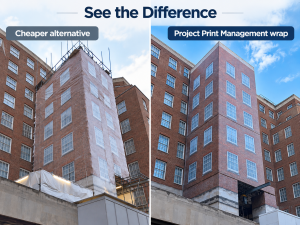
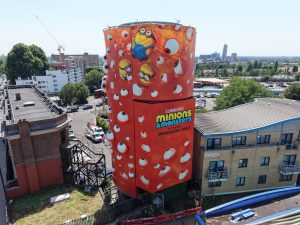
Vinyl wrapping is not limited to small-scale objects. Entire buildings can be wrapped using mesh or solid PVC materials.
Building wraps are commonly used for:
-
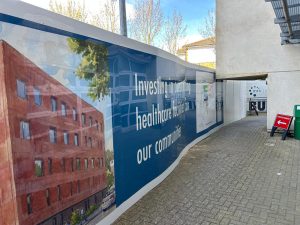
Construction site branding
-
Façade renovation concealment
-
Advertising campaigns
-
Event promotion
-
Heritage restoration projects
How Building Wraps Work
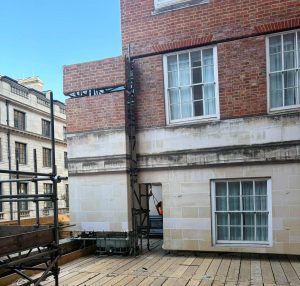
Unlike self-adhesive vinyl, large-scale building wraps require a structural sub-frame. The process typically involves:
-
Installing scaffold poles and fixings
-
Creating a tensioned sub-frame
-
Attaching the printed mesh or PVC material using shock cord (bungee)
The sub-frame can be engineered to accommodate complex building elevations and architectural features.
Most building wraps are printed on super-wide format printers, capable of producing material up to five metres wide. Larger installations are created by welding panels together, forming huge continuous graphics.
In some cases, a single printed section can reach approximately 1,000 square metres — for example, 50 metres wide by 20 metres high.
Mesh material allows wind to pass through, reducing load on the structure, while solid PVC provides a fully opaque finish where required.
Rigid Panel “Wraps” for High-Risk Areas
In certain environments, particularly urban areas prone to vandalism, rigid materials offer an alternative to flexible vinyl wraps.
Instead of mesh or self-adhesive film, rigid panels such as:
-
3mm aluminium composite
-
Foamex (PVC foam board)
-
Plywood
-
Acrylic sheets
can be printed and installed as cladding panels.
Aluminium composite material (ACM) is particularly popular due to its:
-
Lightweight structure
-
High rigidity
-
Weather resistance
-
Smooth print surface
When over-laminated with anti-graffiti film, rigid panel wraps provide additional protection against vandalism and abrasion.
This method is often used for:
-
Construction hoarding
-
Retail refurbishments
-
Public realm projects
-
Long-term external branding
Creative Vinyl Wrapping Projects
While commercial projects form a large part of our portfolio, some of the most memorable vinyl wrapping work has been creative and artistic.
One standout project involved wrapping bedside tables inspired by the walls of Juliet’s House in Verona.
Juliet’s House is famous for walls covered with declarations of love written by visitors from around the world. High-resolution photographs of these textured, layered messages were digitally printed onto vinyl and applied to carefully prepared furniture pieces.
The result was a striking fusion of art and technology — transforming everyday furniture into conversation pieces.
This project highlights how vinyl wrapping can move beyond branding into artistic expression.
Performance and Sporting Wraps
Vinyl wrapping has also played a role in sporting projects. One notable example includes work completed for James Cracknell, where a Lucozade Sport racing boat was wrapped to reflect sponsor branding.
Marine wraps require particular attention to:
-
Surface preparation
-
Adhesion in damp environments
-
UV durability
-
Resistance to water exposure
The finished wrap delivered a bold, professional finish aligned with the performance nature of the sport.
Benefits of Vinyl Wrapping for Businesses
Vinyl wrapping offers numerous advantages for commercial clients.
1. Cost-Effective Transformation
Replacing furniture, vehicles or façades can be expensive. Wrapping provides a fresh appearance at a fraction of replacement cost.
2. Minimal Disruption
Wrap installations are often quicker than structural refurbishments, reducing downtime.
3. Brand Flexibility
Graphics can be updated as campaigns change, keeping branding current.
4. Durability
With correct installation and lamination, vinyl wraps can last several years.
5. Reversibility
Many modern vinyl films are removable, allowing surfaces to revert to their original finish if required.
Surface Preparation and Professional Installation for Vinyl wrapping
The longevity of a vinyl wrapping project depends heavily on preparation and installation.
Critical steps include:
-
Cleaning and degreasing
-
Repairing damaged surfaces
-
Measuring accurately
-
Using correct heat application
-
Ensuring bubble-free adhesion
Professional installation ensures smooth alignment, seamless joins and consistent finish quality.
Poor installation can result in peeling edges, trapped air bubbles or premature failure.
Environmental Considerations for Vinyl wrapping
Vinyl wrapping can also contribute to sustainability efforts by extending the lifespan of existing assets.
Rather than discarding furniture, cabinetry or fixtures, wrapping allows businesses to:
-
Refresh interiors
-
Update branding
-
Modernise finishes
This approach reduces material waste and supports circular design principles.
Choosing the Right Vinyl Wrapping Solution
The best vinyl wrapping method depends on several factors:
-
Surface type
-
Indoor or outdoor application
-
Exposure to weather
-
Risk of vandalism
-
Duration of use
-
Budget considerations
For vehicles and smooth objects, self-adhesive vinyl is often ideal. For buildings and large façades, mesh or PVC wraps may be more appropriate. For high-traffic public areas, rigid aluminium composite panels may provide greater durability.
Careful consultation ensures the right materials and techniques are selected.
Why Work with Project Print Management?
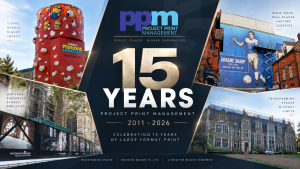
With over 25 years of experience in vinyl wrapping and large-format print, Project Print Management combines technical expertise with creative thinking.
Our services include:
-
Site surveys and consultation
-
High-resolution digital printing
-
3D vinyl installation
-
Building wrap solutions
-
Anti-graffiti protection options
-
Rigid panel cladding
From small bespoke furniture wraps to large-scale building transformations, we approach every project with attention to detail and a commitment to quality.
Vinyl wrapping remains one of the most versatile and impactful surface transformation techniques available today. From vehicles and interiors to full building façades, the possibilities are almost limitless.
Advances in digital printing, 3D conformable films and protective laminates mean that vinyl wrapping is not only creative but durable and commercially viable.
Whether revitalising retail spaces, branding vehicles, concealing construction sites or producing artistic installations inspired by Juliet’s House in Verona, vinyl wrapping offers a powerful combination of design flexibility and practical performance.
If you are considering a vinyl wrapping project — large or small — Project Print Management can provide expert guidance and professional installation to ensure your surfaces are transformed with precision and impact.






Please also visit our Pinterest Page.