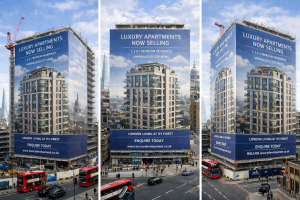
In today’s competitive advertising landscape, businesses are constantly searching for ways to capture attention in crowded environments. Traditional billboards, online ads, and social media campaigns remain valuable, but brands increasingly want marketing that is bold, memorable, and impossible to ignore. One solution that has gained significant traction is building wrap marketing.
Building wraps transform the exterior of a building into a large-scale advertising canvas. By covering façades with printed graphics, businesses can deliver striking visual messages that dominate the surrounding space. Whether used for product launches, brand awareness campaigns, construction site branding, or event promotions, building wrap marketing offers a unique blend of visibility, creativity, and impact.
This article explores what building wrap marketing is, why it works so effectively, and how businesses can use it as a powerful part of their marketing strategy.

What Is Building Wrap Marketing?
Building wrap marketing is a form of large-format advertising that involves covering all or part of a building’s exterior with printed graphics. These graphics are typically produced on durable materials such as vinyl mesh or PVC banners, designed to withstand weather conditions while maintaining vibrant colors and clarity.
Unlike traditional signage, building wraps are massive in scale. They can cover multiple floors or even an entire building façade, making them highly visible from long distances. This scale allows brands to create visually dramatic campaigns that capture the attention of pedestrians, commuters, and drivers alike.
Building wraps are commonly used in urban areas where large buildings provide ideal surfaces for impactful displays. They are often installed on:
- Commercial buildings
- Shopping centers
- Hotels
- Stadiums
- Construction scaffolding
- Office towers
- Event venues
Because of their size and strategic placement, building wraps can reach thousands or even millions of impressions during a campaign.
Why Building Wrap Marketing Works
One of the main reasons building wrap marketing has become popular is its ability to break through advertising clutter. Consumers are exposed to thousands of ads every day, but very few dominate the physical environment the way a building wrap does.
1. Unmatched Visibility
A building wrap is difficult to ignore. When a building façade is transformed into a giant advertisement, it becomes a landmark within the area. People walking or driving nearby naturally notice it because it changes the visual landscape.
This level of visibility makes building wraps especially effective in high-traffic locations such as city centers, busy streets, and tourist districts.
2. Strong Brand Awareness
Large-format graphics make a brand memorable. When people repeatedly pass by a building wrap during their daily commute, the brand message becomes familiar over time. This repetition strengthens brand recognition and recall.
For companies launching a new product or entering a new market, building wrap marketing can quickly establish a strong visual presence.
3. Creative Freedom
Building wraps provide a massive canvas for creative storytelling. Designers can experiment with bold colors, striking visuals, and imaginative concepts that would be impossible with smaller advertising formats.
Some campaigns even use architectural features of the building as part of the design, creating the illusion that the structure itself is interacting with the advertisement.
4. High Impact for Events and Launches
Building wraps are often used for short-term campaigns tied to major events, product releases, or brand announcements. Their scale ensures the message reaches a wide audience quickly.
For example, companies may install a building wrap ahead of a product launch to generate anticipation and excitement.
5. Cost Efficiency Over Time
Although building wraps can require a higher upfront investment compared to smaller signage, their reach and visibility often provide strong value for money. When placed in a high-traffic area, a single building wrap can generate millions of impressions over the duration of the campaign.
Common Uses of Building Wrap Marketing
Building wrap marketing is versatile and can serve many different purposes across industries.
Construction Site Branding
Construction projects often involve scaffolding and temporary structures that can look unattractive in busy urban areas. Building wraps can turn these spaces into marketing opportunities.
Developers frequently use wraps to showcase future renderings of the building, promote upcoming retail spaces, or advertise available units.
Retail and Commercial Promotions
Retail brands often use building wraps to promote seasonal campaigns, sales events, or new store openings. A large wrap can attract shoppers and drive foot traffic to nearby stores.
Entertainment and Media Campaigns
Movie studios, streaming services, and entertainment companies frequently use building wraps to promote upcoming releases. A massive graphic of a popular character or film poster can quickly generate buzz and social media attention.
Tourism and City Branding
Cities and tourism boards sometimes install building wraps to highlight cultural attractions, festivals, or major events. These campaigns help create a vibrant visual environment while promoting local experiences.
Corporate Branding
Companies may use building wraps on their headquarters or office buildings to reinforce brand identity. This type of installation not only promotes the brand to the public but also enhances the company’s visual presence within the city.
Design Considerations for Effective Building Wrap Marketing
The success of a building wrap campaign depends heavily on thoughtful design and careful planning.
Simplicity Is Key
Because building wraps are viewed from varying distances, designs must be clear and easy to understand. Overly complex layouts or excessive text can reduce impact.
Strong visuals, bold typography, and a clear message typically produce the best results.
High-Resolution Graphics
Large-scale prints require high-resolution artwork to maintain quality. Designers must ensure images remain sharp and vibrant when expanded to building-sized dimensions.
Viewing Angles and Distance
The design should consider how people will see the wrap. For example, pedestrians may view it up close while drivers see it from a distance. The layout must remain effective from multiple perspectives.
Integration with Architecture
Creative campaigns often incorporate windows, corners, or structural features of the building into the design. This approach can make the advertisement feel more dynamic and engaging.
Materials Used in Building Wrap Marketing
The materials used for building wraps must balance durability, safety, and visual quality.
Vinyl Mesh
Vinyl mesh is one of the most common materials used in building wrap marketing. It contains small perforations that allow wind to pass through, reducing pressure on the structure. This makes it ideal for tall buildings and scaffolding installations.
PVC Banners
PVC banners provide excellent print quality and vibrant colors. They are typically used in locations where wind exposure is less of a concern.
Fabric Graphics
Some campaigns use fabric-based materials that offer a softer appearance and are often lighter than traditional vinyl options.
The choice of material depends on factors such as building height, weather conditions, installation method, and campaign duration.
Installation and Safety Considerations
Installing a building wrap requires professional expertise. Because of their size and location, these structures must be carefully engineered to ensure safety.
Professional installers assess the building structure, wind loads, and attachment points before installation begins. In many cities, permits or approvals are required before a building wrap can be displayed.
Safety is always the top priority, especially for high-rise installations.
Sustainability in Building Wrap Marketing
As sustainability becomes increasingly important, many companies are exploring eco-friendly options for large-format advertising.
Some printing providers now offer recyclable materials and environmentally responsible inks. In addition, building wraps can be repurposed after campaigns end. For example, used vinyl may be converted into bags, covers, or other reusable products.
By incorporating sustainable practices, businesses can reduce the environmental impact of large-scale advertising.
Measuring the Impact of Building Wrap Campaigns
While building wraps are primarily designed for visibility and brand awareness, their effectiveness can still be measured through several methods.
Businesses often track metrics such as:
- Estimated foot traffic and vehicle impressions
- Social media engagement and user-generated content
- Increased brand searches or website visits
- Local sales performance during the campaign period
Many successful campaigns also generate organic attention when people photograph and share the wrap online.
The Future of Building Wrap Marketing
As urban environments become more visually competitive, building wrap marketing continues to evolve. Advances in printing technology allow for brighter colors, sharper images, and more durable materials.
Some campaigns are also incorporating interactive elements, such as QR codes or augmented reality experiences, allowing viewers to engage with the advertisement using their smartphones.
In the future, building wraps may increasingly integrate digital features, creative lighting, or motion graphics to create even more immersive brand experiences.
Building wrap marketing has become one of the most visually powerful forms of outdoor advertising. By transforming the exterior of buildings into massive promotional displays, businesses can achieve extraordinary visibility and leave lasting impressions on their audience.
From product launches and entertainment campaigns to construction site branding and corporate promotions, building wraps offer flexibility, creativity, and scale that few other marketing formats can match.
When carefully designed and professionally installed, a building wrap can turn an ordinary structure into a striking marketing landmark. For brands seeking to stand out in busy urban environments, building wrap marketing provides an effective way to capture attention and communicate a message on a truly grand scale.
For more information please contact us.